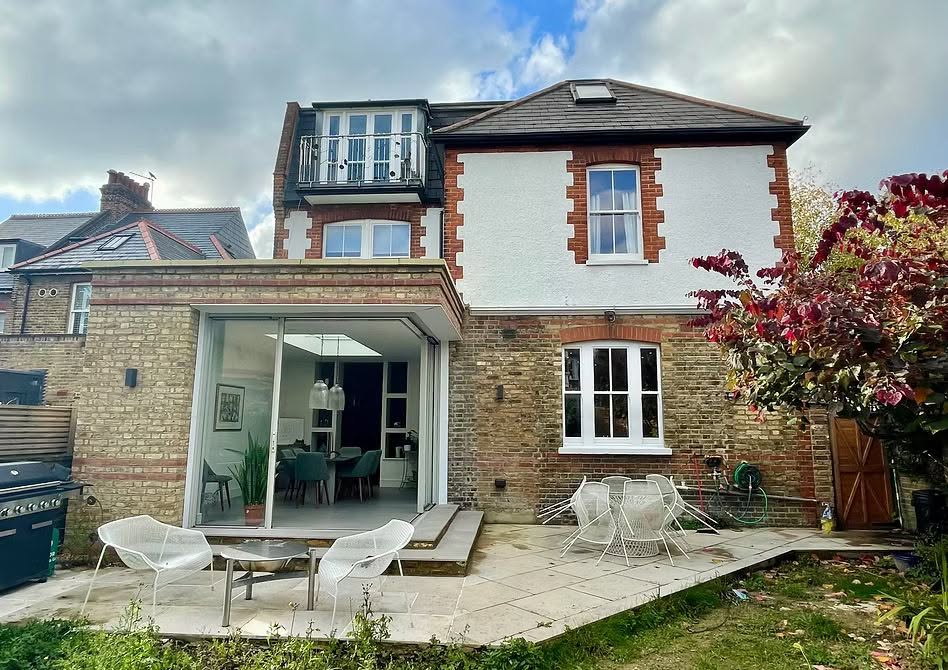
Types of extension
Most homes suit more than one option, and the first visit is largely about narrowing them down against budget, planning constraints and what you actually need the space to do.
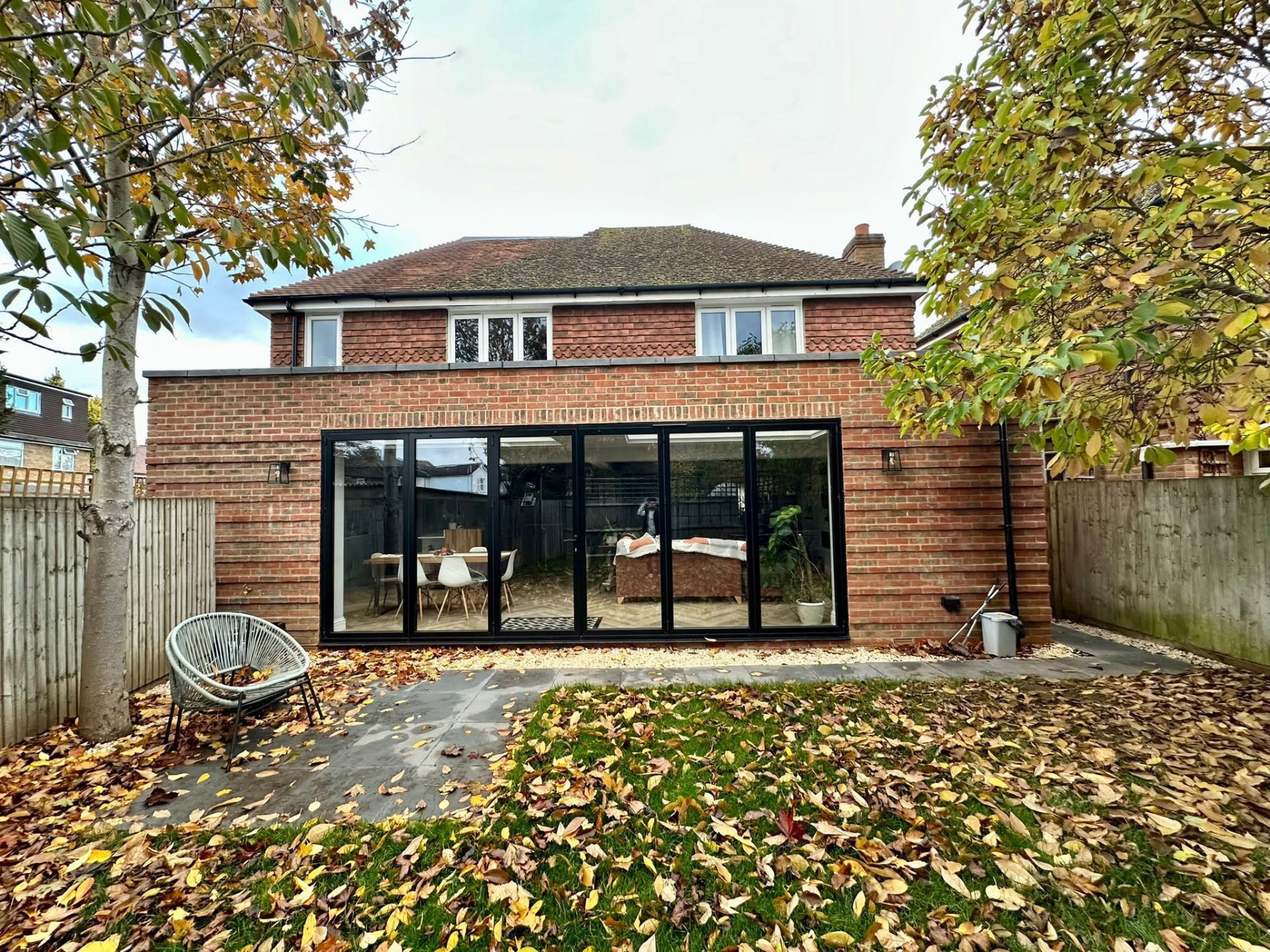
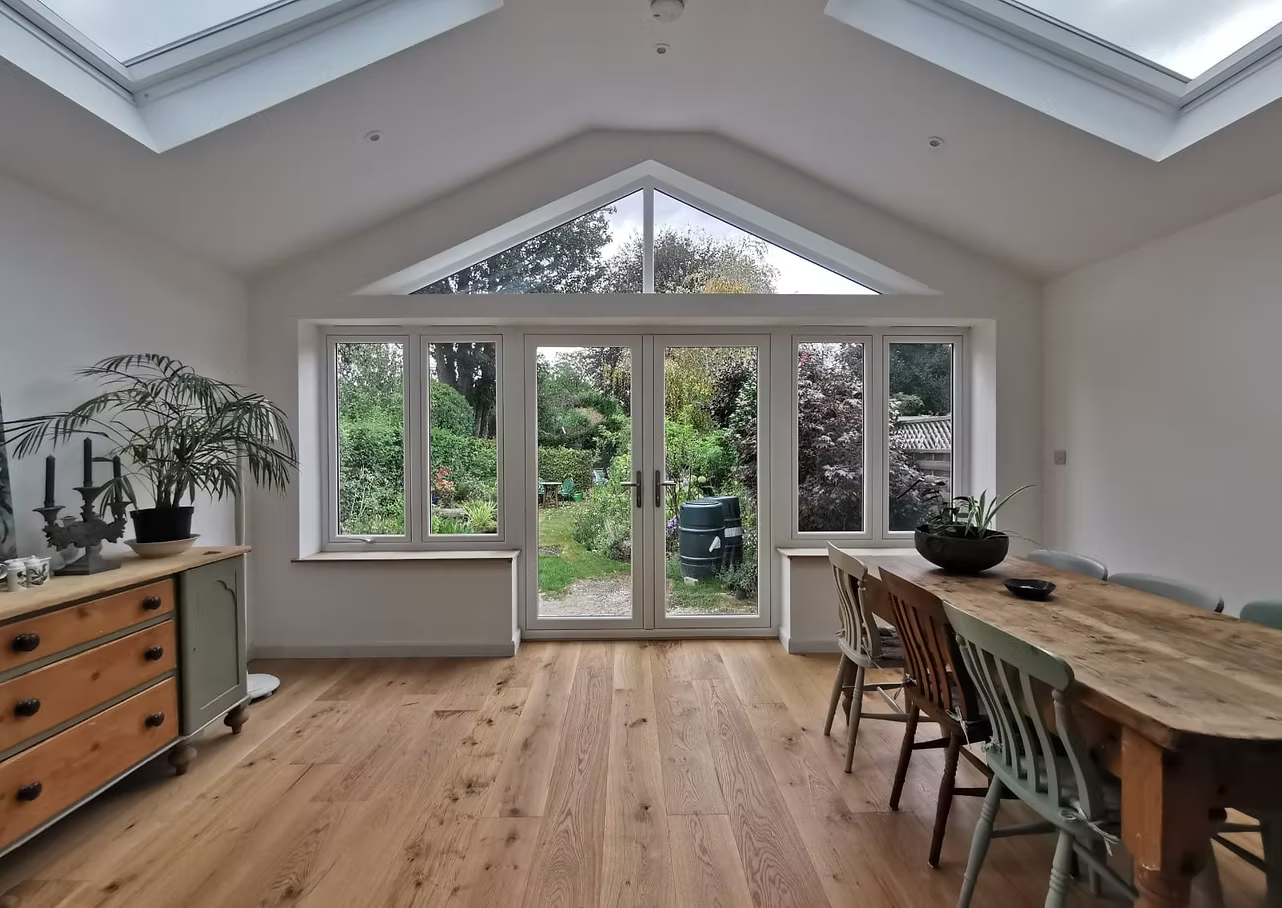
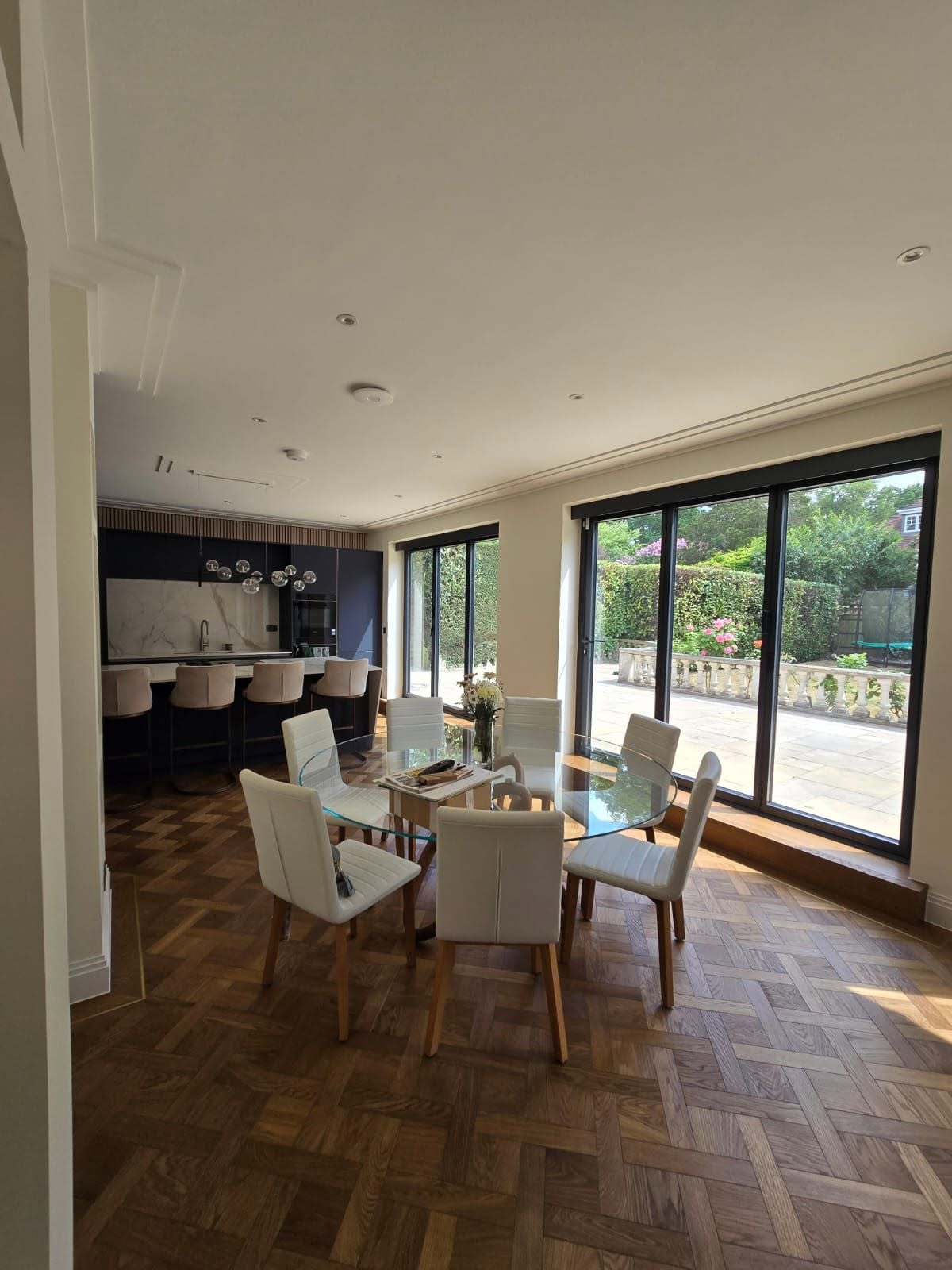
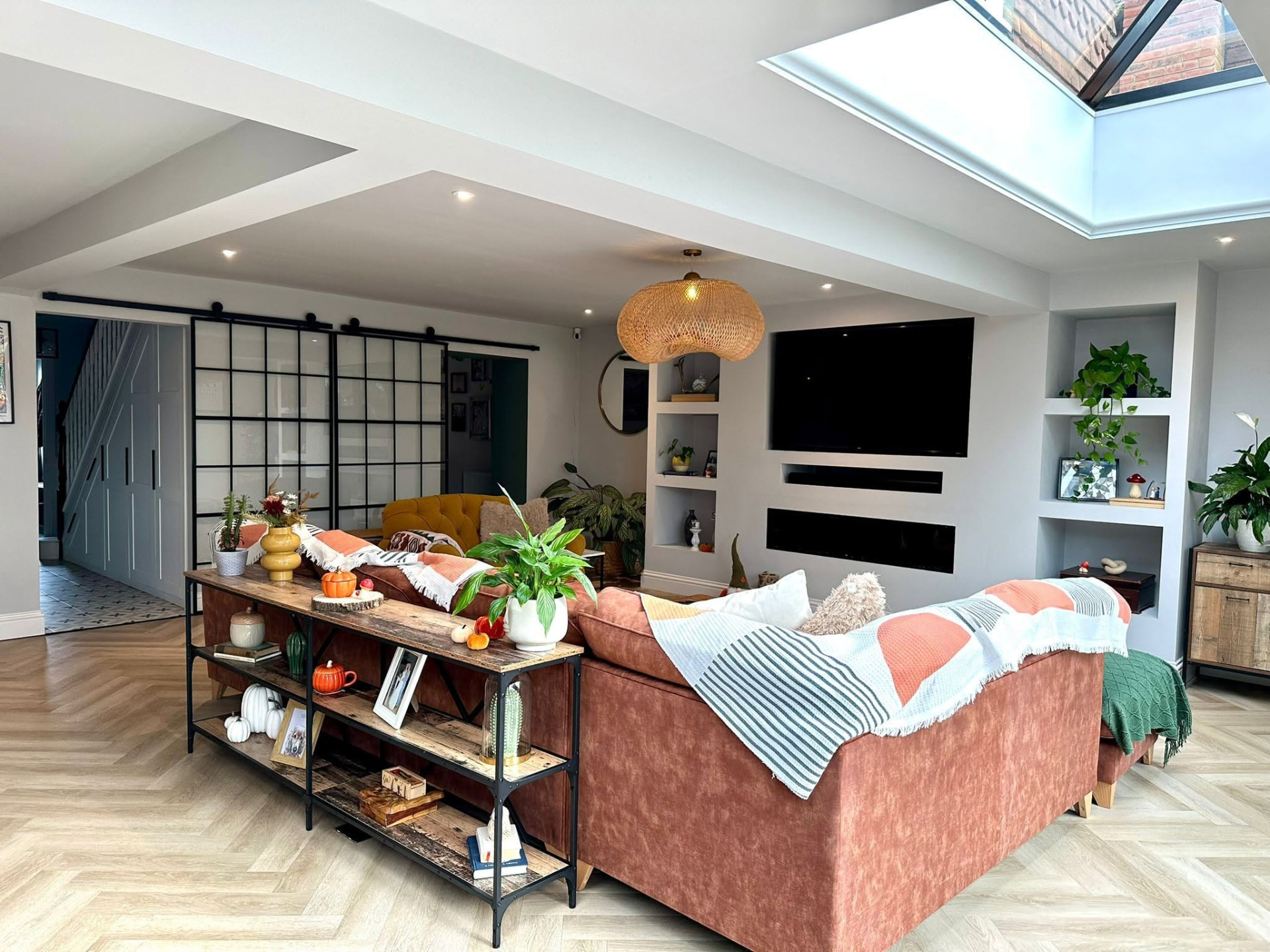
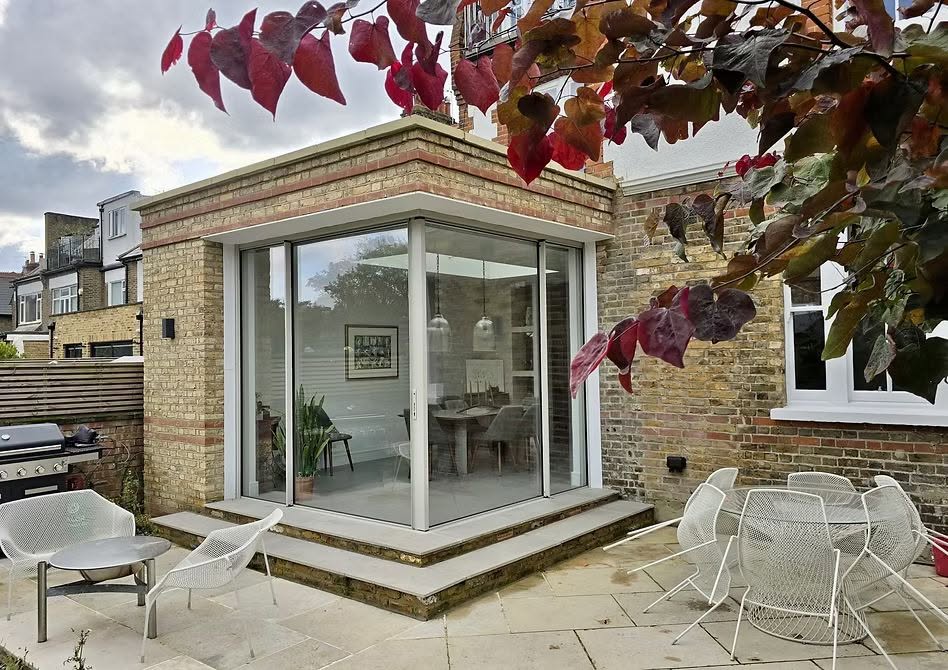
- Single storey rear extensions: kitchen, dining and family space
- Double storey extensions adding a bedroom or bathroom above
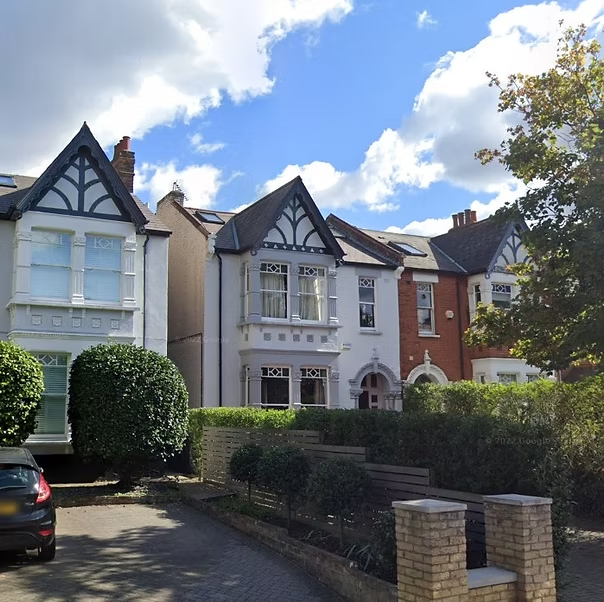
- Side return extensions, common on Victorian terraces in West and South London
- Wrap-around extensions combining rear and side return
- Side and garage-conversion extensions where the plot allows
- Combined schemes: extension plus loft conversion in one programme
Structure and groundworks
The structural design usually turns on the opening between the existing house and the new space. Wider openings mean larger steel, deeper support and careful attention to what the roof above is doing.
Foundations are dictated by ground conditions, nearby trees and existing drainage. We coordinate the structural engineer through our partner firm and confirm drainage strategy before pricing, so the dig does not rewrite the budget.
Materials and glazing
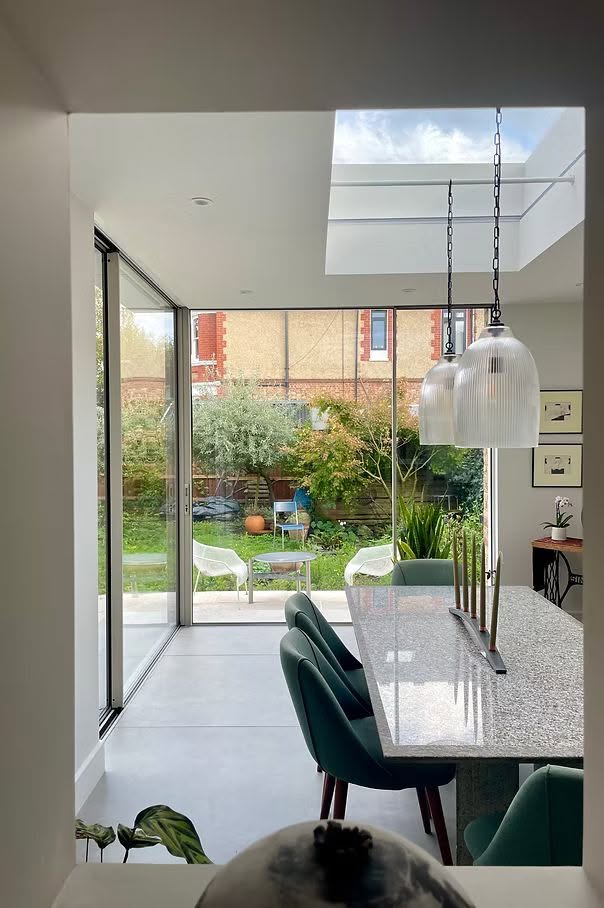
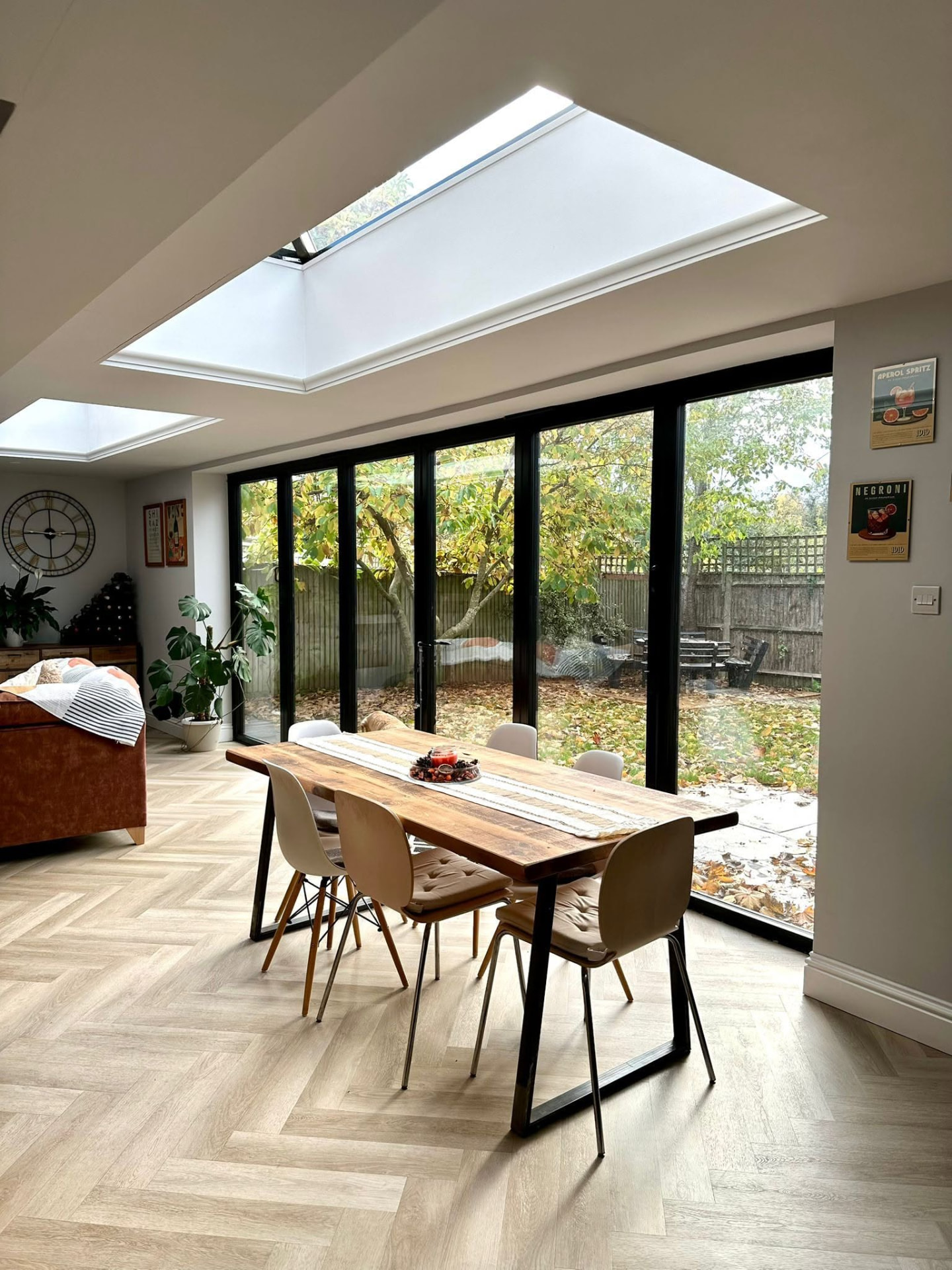
Brick matching, render, timber cladding, zinc and standing-seam roofing all change the character and the cost of an extension. Glazing choices, bifolds, sliding doors, rooflights, structural glass, drive both budget and how the finished space feels.
Lead times on glazing and structural steel are the most frequent cause of a stalled programme, so they are ordered early rather than when the opening is ready.
Planning, permitted development and neighbours
Some extensions fall under permitted development; many need a householder application. Conservation areas and listed properties are governed more tightly, and we handle those too, including a recent Grade II listed scheme in Notting Hill.
Where a boundary is involved there may be party wall matters to resolve. We tell you at the outset what applies to your property rather than leaving it to emerge later.
Living through the build
Most families stay in the house for a rear extension and move out only for the most disruptive phases of a wrap-around or whole-ground-floor scheme. Dust protection, security, working hours and where the kitchen goes in the meantime are all planned before we start.
Our hours are Monday to Friday, 9am to 5pm, which keeps a site predictable for a household.
Extensions on period and commercial property
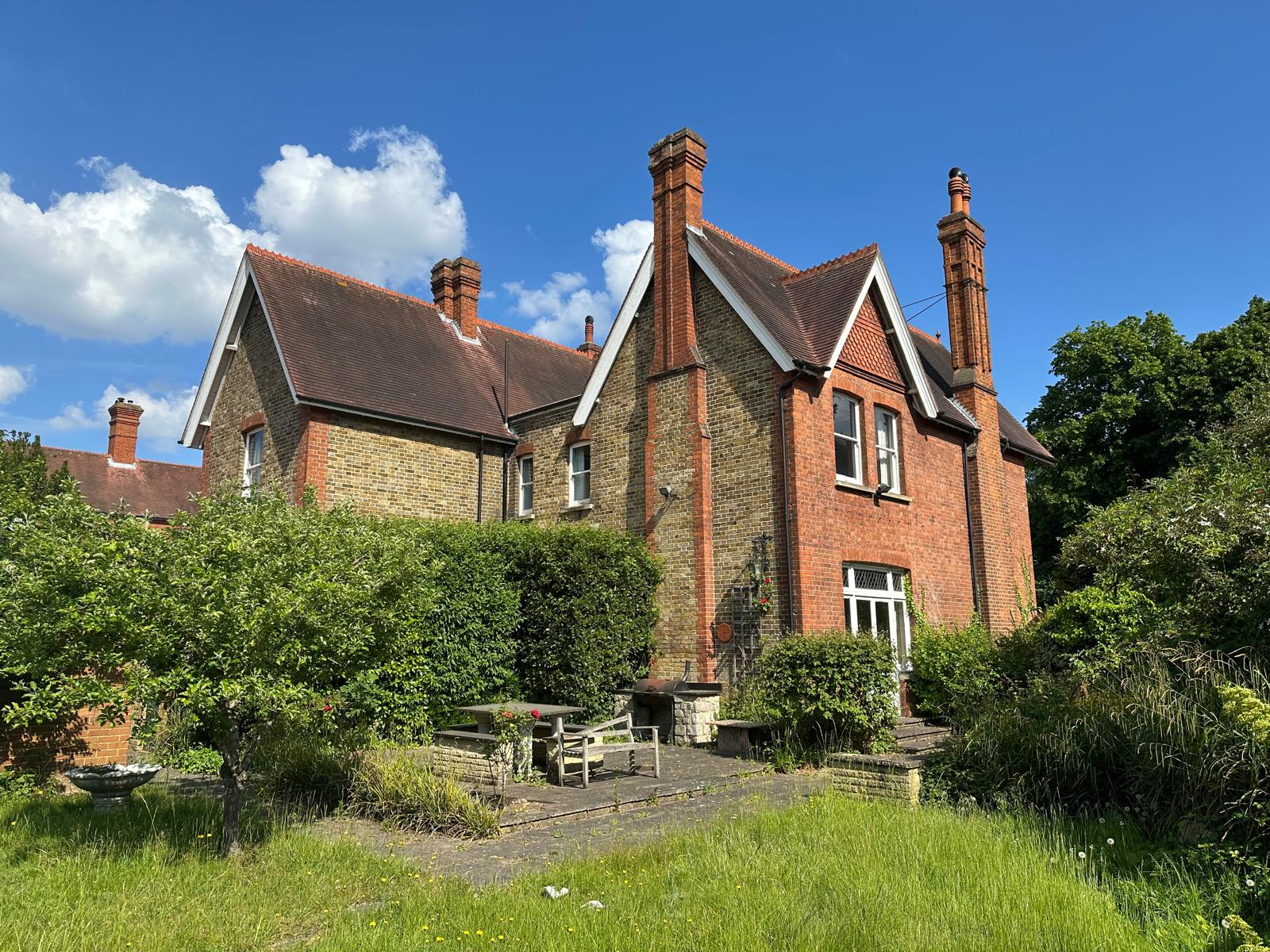
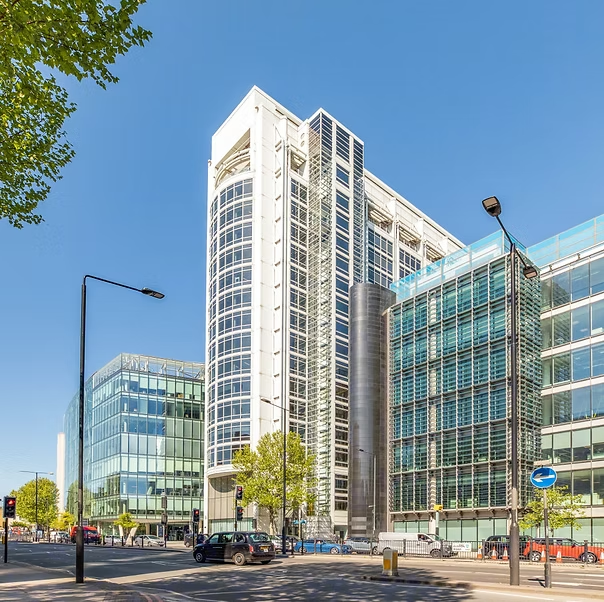
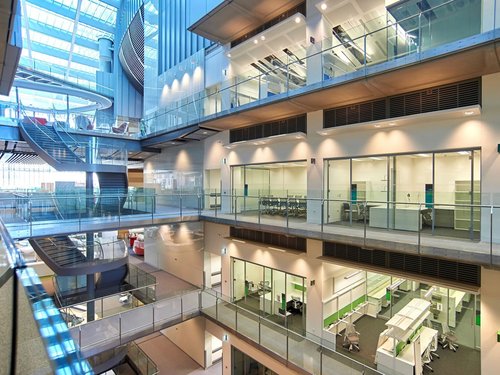
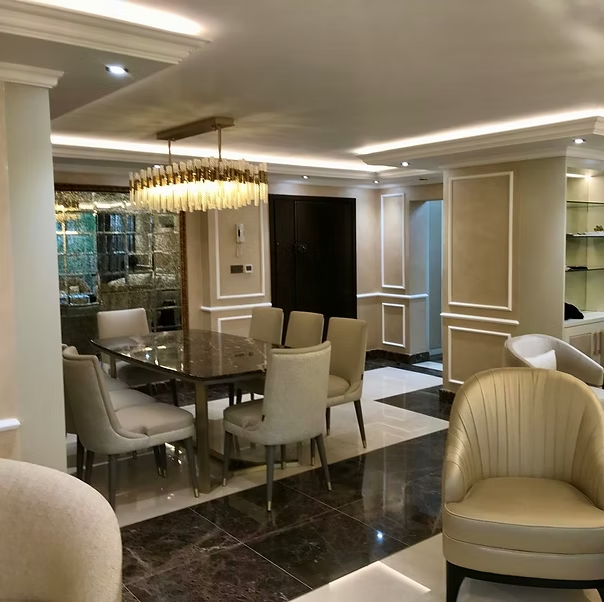
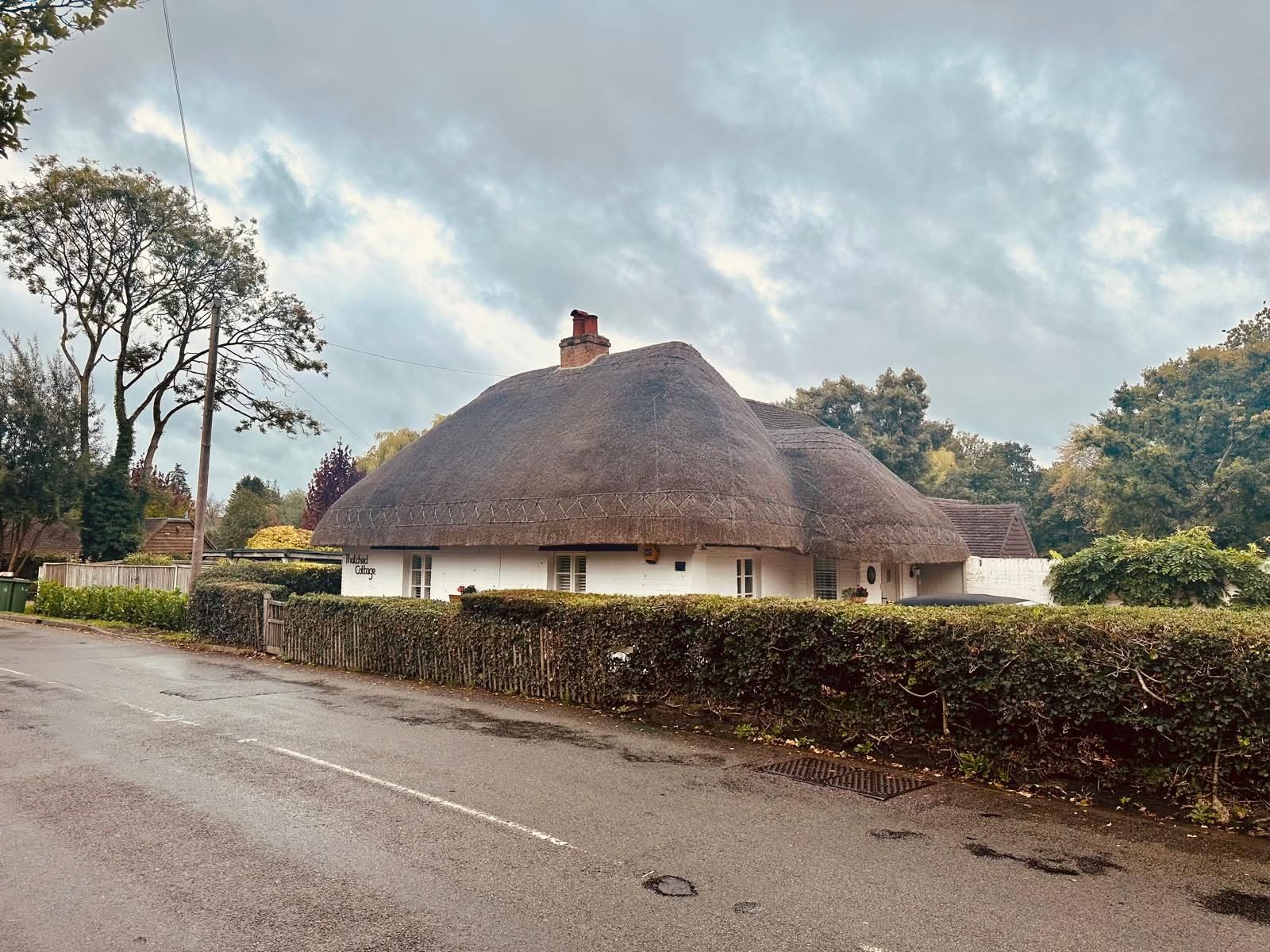
Period properties need matching materials, sympathetic detailing and care around existing structure that was never drawn. Commercial extensions add use class, access, fire strategy and a programme driven by trading hours.
The same team handles both, so the standards developed on commercial work, proper drawings, sequenced programme, valued payments, apply to your house as well.